(한국전쟁사) 한국의 분단 1945 - 1948 post # 8

캐더린 위더스비 교수 저

슈티코프.jpg

슈티코프 장군이 소비에트 민간 행정부(SCA)를 설립하고 중앙아시아에서 경험이 풍부한 소련계 한인과 시베리아에서 적군(소련군)에 복부했던 빨치산들을 데려오면서, 그는 한국의 공산당을 관리해야하는 보다 어려운 과업으로 넘어갔다. 문제는 일본이 항복하고 공산당이 마침내 공개적으로 할동할 수 있게되자, 공산당은 자연스럽게 그들의 정치적 활동을 서울에 집중했던 것이다. 게다가 오랜기간동안 한국공산당의 지도자였던 박헌영은 일제치하에서 생존을 위해 투쟁하는 동안 모스크바의 지도를 받지 않고 당을 운영했던 것이다. 결과적으로, 소련이 한국의 점령 지역을 안정적인 완충 지역으로 바꾸려면, 북한에 모스크바에 믿을 수 있을 만큼 충성스런 별도의 당조직을 만들어야 했다.

그러나 북한에 있던 공산주의 핵심분자들은 별도의 당조직을 만든다는 계획을 의심스러워했으며 이는 모스크바가 한국의 분단을 고착화시키려는 의도를 의미했기 때문이다. 다른 문제는 그들은 박헌영에게 충성스러웠다는 것이다. 적군(소련군)이 점령한 초기에 북한의 당지도자들은 소련이 그들에게 미국과의 협조를 공개적으로 우호적으로 말하라고 하는 지시를 거부하지 않았던 것은 사실이다. 그러나 이런 새로운 요구는 다른 질서였고, 그리하여 소련의 기관들은 조심스럽게 움직였다.

그들은 김일성의 지지자들을 북한의 중요한 당활동의 모든 중심지로 파견하여 지역의 핵심분자들이 김일성을 북부당의 지도자로 인정하도록 설득하는 것으로 자신들의 활동을 시작했다. 로마넨코 장군은 평양의 공산주의자와 민족주의자 지도자들에게, 일본제국주의와 싸워온 위대한 애국자라고 격찬하면서 김일성을 소개했다. Romanenko 장군은 평양의 공산주의자들과 민족 주의자들의 모임에 김일성을 소개하여 일본 제국주의에 ​​맞서 싸웠던 위대한 애국자로 그를 격찬했다. 가장 중요한 것은 로마넨코가 25군본부에서 박헌영을 김일성과 만나게 해서 북한의 별도 당조직 창설을 지지하도록 설득했다는 것이다. 그러나 박헌영은 새로운 조직은 서울의 중앙당에 공식적으로 종속되어야 한다고 주장했다. 박헌영의 협조를 얻은 슈티코프는 10월 10일 회의를 열였으며 여기에서 북한 5도 당대표자들은 서울의 당본부에 종속하는 북조선 조직국의 창설을 승인했다.

슈티코프의 부하들은 신중한 안무로 조선 공산당을 일렬로 정리했지만, 소련의 점령한 지역에서 비공산당 정당을 억압하는 단순한 작업은 신속하게 완료했다.10월 12일 치스챠코프는 소련군 사령부는 “일본의 제국주의적 지배를 벗어 던지기 위한 민주적인 체제의 정부”를 허용한다는 명령을 발표했다. 이러한 정부를 만들기 위해, 모든 “반일 정당과 사회조직들은” 그들의 구성원을 등록하도록 요구했으며, 두세대의 가족배경과 8세이후의 이력서와 같은 개인의 자세한 자료의 제출을 요구했다. 소련의 기관들은 사회적 계급과 정치적 활동 등의 자신들의 통상적 범주에 따라 구성원들을 검토했으며, 그들의 배경이 반공산주의적이거나 친미적으로 드러나면 자격을 박탈하거나 체포했다.

이러한 등록은 매우 효과적인 전술이었다. 몇주만에 해방이후 나타났던 상당수 정당과 조직들의 대부분이 사라졌다. 소련은 두개의 비공산주의 정당-천도교 종교정당과 저명한 민족주의자 조만식이 이끌던 조선민주당-을 허용했을 뿐이었다. 모스크바가 미국과 협조-세계적인 여러 이슈에서 그들의 도움을 필요로 하고 전시의 재앙으로부터 복구하기 위한 경제적 지원에 대한 기대-가 지속될 때까지, 북한의 소련군사령부는 조만식과 협조적인 태도를 유지했다.

북한에서 소련의 점령 초기단계부터 남한의 혼란스러운 미국의 통치보다 매우 잘 관리되었고 성공적이었다.

다음 포스팅에서는 소련의 다음 단계-북한에서 한국인이 이끄는 임시정부의 수립-에 대해서 알아보도록 하겠다.


This page is synchronized from the post: ‘(한국전쟁사) 한국의 분단 1945 - 1948 post # 8’

(Korean War) The Division of Korea, 1945-1948. Post # 8

by Prof. Kathryn Weathersby
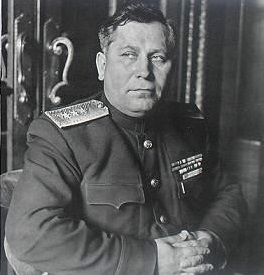
슈티코프.jpg

Once General Shtykov established the Soviet Civil Administration and brought over experienced Soviet-Korean bureaucrats from Central Asia as well as Korean partisans who had served in the Red Army in Siberia, he turned to the more difficult task of managing the Korean Communist Party. The problem was that as soon as Japan surrendered and the party was at last able to function openly, it naturally focused its efforts on political activities in Seoul. Moreover, the longstanding leader of the Korean Communist Party, Pak Hon-Yong, had operated without direction from Moscow while the party struggled to survive under Japanese rule. Consequently, if the Soviets were to transform their occupation zone in Korea into a reliable buffer, they had to create a separate party organization in the North that was reliably loyal to Moscow.

Communist cadres in the North, however, were suspicious of the plan to establish a separate party organization because it implied that Moscow intended to solidify the division of Korea. Another problem was that they remained loyal to Pak Hon-Yong. It is true that in the first weeks of Red Army occupation, party leaders in the north had not resisted when the Soviet elder brothers instructed them to speak favorably about cooperation with the United States. This new demand, however, was of a different order, and Soviet authorities moved carefully.

They began their campaign by sending supporters of Kim Il Sung to every important center of party activity in the north to persuade local cadres to recognize Kim as head of a northern branch of the party. General Romanenko also reportedly introduced Kim Il Sung to a gathering of communist and nationalist leaders in Pyongyang, extolling him as a great patriot who had fought against Japanese imperialism. Most importantly, Romanenko brought Pak Hon-Yong to a meeting with Kim Il Sung at the 25th Army headquarters and persuaded the venerable leader to support the creation of a separate party organization for the north. Pak insisted, however, that the new organization would be formally subordinate to the party center in Seoul. Having won Pak’s cooperation, Shtykov convened a meeting on October 10 at which party leaders from the five northern provinces approved the creation of a North Korean Organizational Bureau (Orgburo) subordinate to the party headquarters in Seoul.

Shtykov’s men brought the Korean communist party into line in carefully choreographed stages, but they quickly completed the simpler job of suppressing non-communist parties in the Soviet zone. On October 12 Chistiakov issued an order declaring that the Soviet command would permit “a democratic system of government to overthrow the imperialist rule of Japan.” In order to create such a government, all “anti-Japanese parties and social organizations” were required to register their members, submitting for each individual a detailed vita with information on family background for two generations and a biography from age eight. Soviet authorities then screened the membership lists according to their usual criteria of social class and political activities, disqualifying or arresting those whose backgrounds defined them as anti-communist or pro-American.

This registry was a highly effective tactic. Within a few weeks, most of the numerous political parties and organizations that had emerged after liberation had disappeared. The Soviets allowed only two non-communist parties to remain – the Chondogyo religious party and the Korean Democratic Party led by the prominent nationalist Cho Man-sik. Since Moscow continued to cooperate with the Americans – needing their help on many occupation issues worldwide and hoping to get economic aid to recover from wartime devastation – the Soviet command in Korea maintained the posture of cooperating with Cho Man-sik.

Already at this early stage the Soviet occupation in the North was far better managed and more successful than the chaotic American rule in the South. In the next post we will examine the Soviet’s next step – establishing a Korean-led provisional government in the North.


(Sources used in posts 1-8 include three volumes of the US State Department document collection Foreign Relations of the United States: Potsdam Volume II, 1945 Volumes II and VI, and 1969 Volume VI; the official document collection from the Ministry of Foreign Affairs of the USSR, Correspondence Between the Chairman of the Council of Ministers of the USSR and the Presidents of the USA and the Prime Ministers of Great Britain During the Great Patriotic War of 1941-1945, Volume II; The Dmitrii Volkogonov Papers Library of Congress Manuscript Division, Washington DC; Tsuyoshi Hasegawa, Racing the Enemy: Stalin, Truman, and the Surrender of Japan (Harvard University Press, 2006); A document from the Archive of the Foreign Policy of the Russian Federation titled “Notes on the Question of Former Japanese Colonies and Mandated Territories; Chong-sik Lee, Materials on Korean Communism, 1945-1947 (University of Hawaii Press, 1977); Robert Scalapino and Chong-sik Lee, Communism in Korea, Part I, The Movement (University of California Press, 1972); the Ph.D. dissertation by Jeon Hyun Soo, “Sotsial’no-ekonomicheskie preobrazovaniia v severnoi Koree v pervye gody posle osvobozhdeniia, 1945-1948” Moscow State University, 1997; the Ph.D. dissertation by Hak S. Paik, “North Korean State Formation, 1945-1950,” Part I, University of Pennsylvania; Suh Dae Sook, The Korean Communist Movement, 1918-1948 (Princeton University Press, 1967); Lim Un, The Founding of a Dynasty in North Korea (Tokyo: Jiyu-sha, 1982); and Fifteen Year History of North Korea (Washington DC, 1965).


This page is synchronized from the post: ‘(Korean War) The Division of Korea, 1945-1948. Post # 8’
(편집자 칼럼) 평화와 통일의 변증법

만일 김정은이 정말 핵과 미사일을 폐기하겠다고 마음을 먹었으면 앞으로 지리한 협상의 과정이 계속될 것이다. 북한은 확실한 안전보장을 받으려고 할 것이고 그동안 막대한 예산을 들여서 개발했던 핵과 미사일에 대한 경제적 보상을 받으려고 할 것이다.

저번 포스팅에서 편집자가 앞으로 상당한 시간이 걸릴 것이라고 예상한 이유이다.

북한은 어떻게 확실한 안전보장을 받으려고 할까? 그동안 북한은 주한미군의 철수를 자신의 안전보장을 위한 가장 우선적인 과제라고 주장했다. 물론 우리는 북한이 남한을 적화통일하기 위한 우선적 과제라고 인식했다. 그런데 이번에 북한은 주한미군 철수에 관해 아무런 이야기도 하지 않았다.

사실 주한미군 철수 문제는 한국에게 할 이야기는 아니다. 북한은 미북정상회담에서 자신의 확실한 안전보장과 핵과 미사일 문제를 논의할 것이다. 그 과정에서 주한미군 이야기도 나올 수 있을 것이다.

웨더스비 교수의 한국전쟁사에 관한 포스팅에서 마침 한국의 분단에 관한 이야기들이 게재되고 있다. 읽어보신 분들은 느끼실지 모르겠으나 미국이 주한미군을 철수할 가능성은 거의 없다는 생각이 든다. 이미 주한 미군은 북한을 넘어 동북아 지역의 세력균형에 중요한 역할을 하고 있기 때문이다. 쉽게 말해서 중국을 견제하기 위한 기능을 한다는 뜻이다.

그렇다면 미국이 북한에게 줄수 있는 것을 무엇일까 ? 여러가지 가능성 중에서 가장 현실적인 것은 북한을 정상국가로 인정하는 것이다. 북한을 정상적인 주권국가로 인정을 하는 것이야 말로 가장 확실한 안전보장일 테니까 말이다. 국가 주권의 불가침은 근대국가가 성립되면서 형성된 확고한 원칙이다.

이번에 남북이 평화를 이야기한 것은 북한이 정상국가로 가기 위한 초석을 다지는 것인지도 모른다. 앞으로 남과 북은 정상적인 국가와 국가의 관계를 가지게 될지도 모른다.

그럼 통일이라는 말은 한반도 평화체제를 가장 심각하게 위협하는 용어가 될수도 있다. 우리는 그동안 평화와 통일을 동의어인 것 처럼 생각하고 살았다. 그런데 이제 평화와 통일은 서로 정반대의 위치에 있는 말이 될수도 있는 것이다.

통일이라는 말은 결국 어떤 과정을 거치든 어느 일방의 정치권력이 소멸된다는 것을 의미하는 것이기 때문이다.

통일이라는 명목으로 서로가 서로를 죽이고 죽이는 전쟁을 치르는 것보다 평화를 위해 서로가 서로를 존중하는 것이 훨씬 좋다고 생각한다.

앞으로의 모든 방향은 미북정상회담에 달려있다.

미국이 북핵문제 하나만을 해결하기 위해 노력한다고 생각하면 안된다. 결국 중국이라는 거대한 세력을 어떻게 다룰 것인가하는 틀 속에서 북한문제를 보아야 한다. 미국이 상당한 댓가를 치르고서라도 북한을 끌어안아야 하는 이유이다. 북핵문제는 북한을 끌어안기 위한 전제조건에 불과하다는 것이 편집자의 생각이다.

앞으로 두고 볼일이다. 올해 노벨평화상은 트럼프가 받을 수도 있다.


This page is synchronized from the post: ‘(편집자 칼럼) 평화와 통일의 변증법’

(편집자 칼럼) 남북정상회담을 바라보며

이제 얼마후면 역사적인 남북정상회담이 시작된다. 그동안 많은 고비를 넘어서 지금까지 왔다. 현재의 상황을 어떻게 보느냐는 각자의 입장과 시각에 따라 다를 것이다. 어떤 사람들은 이번 남북정상회담을 통해 현재의 남북대치 상황이 완화되거나 해결되는 것을 기대할 것이고 어떤 사람들은 이번 남북정상회담도 결국 북한의 재주에 속아 넘어가고 마는 결과가 될 것이라고 생각할 것이다.

인간이라는 존재가 객관적일 수 없는 까닭에 어떤 사안을 객관적으로 바라보라고 요구하는 것은 무리라고 할 수 있다. 그럼에도 불구하고 이번 남북정상회담에 무엇인가 기대를 걸고 싶은 것은 이땅에 사는 많은 사람들의 평화를 위한 소망때문일 것이다.

그런 기대에도 불구하고 이번에 개최되는 남북정상회담은 나름대로의 한계를 가지고 출발하고 있는 것 같다. 한국전쟁으로 비롯된 안보구도 속에서 진행되는 남북간 회담이나 협상이라는 것은 어쩔 수 없는 한계를 지니고 있다.

김대중 대통령의 남북정상회담이 상당한 성과를 지닐 수 있었던 것은 주변국의 상황이 그렇게 돌아갔기 때문이다. 당시 남한은 미국과 북한의 제네바 핵합의를 통해 이미 만들어진 구도속에서 남북간 교류와 협력을 추진하면 되는 상황이었다. 중국은 냉전종식이후 국력을 추스리느라 한반도에 개입하기가 어려웠다. 그때만 해도 중국은 미국의 눈치를 보지 않으면 안되는 상황이었다.

지금의 상황은 그때보다 더 어렵다. 중국이 굴기를 한답시고 힘을 쓰고 있다. 북한이 주체를 주장하며 중국으로부터 자유스러운 것 처럼 위장하고 있지만 중국이 도와주지 않으면 북한은 잠시라도 유지하기 어려운 것이 사실이다.

더구나 이번 정상회담은 미북정상회담을 위한 사전 정지작업의 성격을 띠고 있다. 첫번째 남북정상회담이 미북간에 큰 틀에서의 합의가 이루어진 다음에 진행되었다면 이번 정상회담은 미북 정상회담을 가기 위한 징검다리와 같은 성격을 지니고 있는 것이다.

아마 미국은 이번 남북정상회담의 상황을 보고 미북정상회담을 어떻게 이끌고 나갈까를 고민할지도 모르겠다. 물론 이미 미국무장관 내정자 폼페오가 북한을 방문해 김정은과 만나서 상당수준의 방향정리를 해 놓았을 가능성도 있다.

어떤 과정으로 지금의 상황으로 왔건간에 북한도 과거처럼 무늬만 북핵문제 해결한다고 해서 넘어갈 수 없다는 것을 알 것이다.

북한의 김정은은 미북정상회담을 위해 상당수준의 정지작업을 한 것 같다. 우선 중국을 방문에서 이번 회담과 관련하여 충분한 협의를 했을 것이다.

우리가 여기서 생각해보아야 할 것은 두가지다. 하나는 김정은이 핵무기와 관련하여 과거와 동일한 입장을 지속하고 미국을 겁박해서 제재를 풀려고 하는 가능성이다. 또다른 하나는 김정은이 지금의 안보구도에서 탈피하기 위해 진정한 변화를 추구할 가능성이다.

만일 북한이 첫번째의 길을 가려고 한다면 남북정상회담에서 막혀버릴 가능성이 많을 것 같다. 우리도 미국의 입장을 무시하고 마음대로 할 수 없는 것이다. 아마도 미국은 고사하고 국내에서 심각한 반대에 막혀버릴 것이다.

필자는 두번째의 길을 조심스럽게 예측해본다. 만일 김정은이 정말로 변화를 필요로 한다면 국제사회로의 진출이 불가피하다. 핵을 가지고는 미국이 지배하는 세계체제에 진입할 수 없다. 그렇다고 자신의 안전도 제대로 보장받지 못한 상황에서 덜컥 중국을 버리고 미국과 손을 잡을 수도 없다.

결국 북한은 미국과 중국을 상대로 등거리 외교를 해야하겠다는 결론에 도달했을 가능성이 많다고 생각한다. 그러면 어떻게 될까? 핵과 미사일 폐기의 과정을 오랫동안 잡아 놓고 미국과 한국 그리고 일본으로부터 지원을 받아야 하겠다고 생각했을 가능성도 있다.

중국으로부터의 반발을 무마해야 할 필요도 있다. 필자는 김정은의 중국방문이 이번 미북정상회담을 앞두고 중국의 반발을 무마하기 위한 측면이 있지 않았을까를 이리 저리 생각해보고 있다. 마침 일본 어느 신문에서 북한이 시진핑의 중국방문을 거절했었다는 보고를 보고 그럴 가능성도 전혀 없지는 않겠다고 추측해 본다.

북한이 주한미군 철수 문제를 들고 나오지 않았다는 것도 중국과의 관계 때문일 가능성으로 해석할 여지가 많다. 북한이 미국과 가까운 관계로 가겠다고 한다면 가장 부담스러운 존재가 중국이 될 수도 있고 그럴 때는 주한미군의 존재가 필요하다고 생각했을 수도 있기 때문이다.

만일 북한이 그렇게 생각했다면 남북정상회담에서 어떤 것을 들고 나올까?
미북정상회담의 예비회담과 같은 성격을 지니고 있지만 결코 그 의미가 가볍지 않은 것은 이후의 본격적인 변화를 가늠해 볼 수 있는 확실한 지표가 될 것이기 때문이다.

이제 얼마 지나지 않아 판도라의 상자가 열린다. 앞으로 한반도에서 21세기의 가장 큰 변화가 발생하기를 기대한다.


This page is synchronized from the post: ‘(편집자 칼럼) 남북정상회담을 바라보며’

(한국전쟁사) 한국의 분단 1945 - 1948 post 7

by Prof. Kathryn Weathersby

슈티코프.jpg

연합국 런던 외무 장관 회의에서 한국 문제를 논의조차하지 못한 이후, 소련은 한반도 지역을 미래 예상되는 소련 공격에 대비하여 한국지역을 믿을 수 있는 완충지역으로 만들기 위한 조치를 취했다. 스탈린은이 이 중요한 임무를 자신의 개인적 대표 중 한 명인 테렌티 스티코프 상장에게 부여했으며, 경험많고 신뢰할 수 있는 정치장교인 그는 이후 5년간 한국에서 스탈린의 핵심적 인물이 되었다. Shtykov는 신속하게 행동했다. 10 월 초까지 그는 소비에트 민간 행정부 (SCA)를 세우기 위해 민간 전문지식이 있는 일단의 장교단을 모았다.

우리는 소비에트 민간행정부(SCA)의 구조로 부터 그것이 효과적이고 포괄적인 정부가 될 수 있다는 것을 알 수 있다. SCA는 통신, 재정, 운송, 농업, 산업, 교육 및 문화, 법, 건강 및 언론 부서로 구성되었다. 슈티코프는 SCA의 책임자로 극동 지역에서 오랜 경험을 쌓은 해안집단군의 조직 전문가 로마넨코 소장을 선택했다. 한국의 정치지도자들을 감독하는 매우 중요한 역할을 수행하기 위해 슈티코프는 알렉산더 이그나티에프 대령과 여타 경험많은 정치장교를 지명했다. 그는 또한 도단위 업무를 관리하기 위해 소련군 대령들로 도단 고문관을 새로 만들었다.

최고위직은 소련 고위급 장교들이 있었지만, 소련 SCA 관리들은 그 배후에서 통치할 계획이었다. 대표 인물은 한국인이었다. 그러나 소련은 한국에 있던 공산당원을 거의 알고 신뢰하지 못했기 때문에 이는 실행하기 어려웠다. 1920 년대 한국의 공산당은 아시아에서 가장 큰 당의 하나였으며, 소련의 지원의 민족해방운동에 대한 지원에 많은 한국인들이 이끌렸다. 그러나 한국의 공산당은 곧바로 당파주의와 비효율, 특히 일본 경찰을 능가하지 못하는 무능력하다고 알려졌다. 결과적으로 1932 년 국제 공산주의 인터내셔날(코민테른)은 한국의 공산당을 해산하고 당원들은 중공 공산당에 가입하라고 명령했다. 더욱이 1937 년 스탈린은 소련 극동 지역에 살고있는 한국인 전체를 중앙 아시아로 추방했이며 이는 그들이 일본의 공격을 일으키거나 도쿄에 간첩질을 할 것을 두려워했기 때문이었다. 스탈린은 소련 영토에 불법적으로 입국하는 한국인들에게 가혹한 처벌을 부과하는 법령을 발표했다.

소련 당국자들에게 알려진 유일한 한국의 공산주의자들은 만주에서 중국 공산당원들과 싸웠으나 1941년 일본 경찰을 피해 시베리아에 피난해 있던 소수의 당파였다. 소련은 그들을 소련군으로 접수하여 한국 국경 인근의 하바로프스크 외곽의 훈련 캠프를 보내 일본군에 대한 정보를 수립하도록 훈련을 시켰다. 이 그룹 중 40명이 9 월 중순 이 그룹중 김일성이라는 젊은 대위가 지휘하는 40명이 한국으로 보내졌다.

또한 소련은 번역 및 행정기술을 제공하기 위해 중앙아시아에서 믿을 수 있는 소수의 한국인들을 그 지역으로 보냈다. 이 그룹의 가장 중요한 구성원은 SCA의 수석 통역이었으며 지역 공산주의자와 저명한 민족주의자 조만식을 감독하는 책임자였던 미하일 강 (Mikhail Kang)이었다. 1945년 12월 SCA와 새로 재편된 공산당에서 핵심 직책을 맡기 위해 추가로 82명의 소련출신 한인들이 도착했다.

소비에트 연방 정부는 정부와 공산당의 ‘이중 권력 (dual power)’, 즉 평행 구조의 원칙에 따라 조직되었으며, 공산당은 정부를 감시했다. 이 시스템은 자연스럽게 북한을 포함해 소련군이 2차 세계대전 이후 점령한 모든 지역에 설치되었다.

다음 포스팅에서 우리는 슈티코프가 소비에트 민간 행정부를 설립하는 것보다 더 민감하고 어려운 문제였던 소비에트 지역에 별도의 당조직을 어떻게 만들었는지를 알아 볼 것이다.


This page is synchronized from the post: ‘(한국전쟁사) 한국의 분단 1945 - 1948 post 7’

(Korean War History)The Division of Korea, 1945-194, Post #7

Prof. Kathryn Weathersby

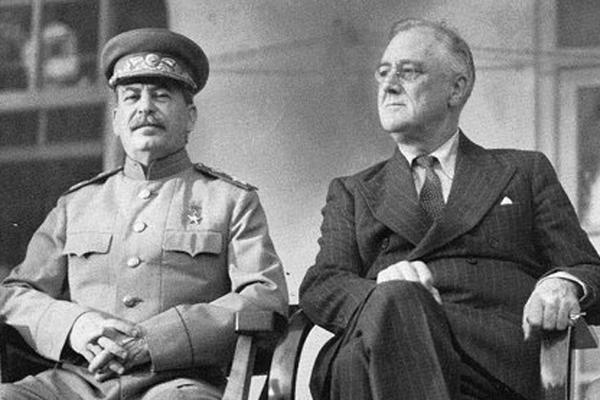
스탈린 루즈벨트.jpg
After the London Conference of Allied Foreign Ministers failed even to discuss the Korean issue, the Soviets took steps to make sure that its zone on the peninsula would serve as a reliable buffer against a future attack on the Soviet Union. Stalin assigned this important task to one of his personal representatives, Colonel-General Terentii F. Shtykov, an experienced and trusted political officer would be Stalin’s point person in Korea for the next five years. Shtykov moved quickly. By early October he had gathered a group of army officers with civilian expertise to set up a Soviet Civil Administration (SCA).

We can see from the structure of the SCA that it was meant to be an effective and comprehensive government. It was composed of departments of communications, finance, transport, agriculture, industry, education and culture, justice, health, and the press. Shtykov chose as head of the SCA an organization specialist from the Maritime Army Group with long experience in the Far East, Major-General Andrei A. Romanenko. To carry out the critically important role of supervising Korean political leaders, Shtykov appointed Colonel Aleksandr M. Ignatiev, another experienced political officer. He also created positions of Provincial Adviser to manage affairs at the provincial level, staffed with Red Army colonels.

While it had high-level Soviet officers in the top posts, the plan was for the Soviet SCA officials to rule behind the scenes. The public face of the occupation was to be Korean. This was difficult to accomplish, however, because few communist party members in Korea were known and trusted by the Soviets. In the 1920s the Korean party had been one of the largest in Asia, as many Koreans were attracted to Moscow’s support for national liberation movements. However, it quickly became known for factionalism and ineffectiveness – particularly an inability to outmaneuver the Japanese police. Consequently, in 1932 the Communist International (Comintern), the governing body for the international communist movement, disbanded the Korean party and ordered its members to join the Chinese Communist Party. Moreover, in 1937 Stalin deported to Central Asia the entire Korean population living in the Soviet Far East, out of fear they would either provoke a Japanese attack or spy for Tokyo. He then issued a decree mandating harsh punishment for any Korean who entered Soviet territory illegally.

The only Korean communists known to Soviet officials were a small group of partisans who, though they had fought with the Chinese communists in Manchuria, had taken refuge in Siberia in 1941 to escape the Japanese police. The Soviets had inducted them into the Red Army and sent them to a training camp outside Khabarovsk, near the Korean border, where they trained them to gather intelligence on Japanese forces. Some forty of this group were brought to Korea in mid-September, led by a young captain named Kim Il Sung.

The Soviets also brought to their zone a small number of reliable Koreans from Central Asia to provide translation and administrative skills. The most important member of this group was Major Mikhail Kang, who, besides serving as chief interpreter for the SCA, was responsible for supervising the local communists and the prominent nationalist Cho Man-sik. In December 1945 an additional eighty-two Soviet-Koreans arrived to take key posts in the SCA and in the newly reorganized communist party.

The government of the Soviet Union was organized on the principle of “dual power,” parallel structures of government and communist party, with the latter monitoring the former. This system was, naturally, put in place in all the areas the Red Army occupied after World War II, including northern Korea. In the next post we will examine how Shtykov created a separate party organization for the Soviet zone, a more sensitive and difficult matter than establishing the Soviet Civil Administration.


This page is synchronized from the post: ‘(Korean War History)The Division of Korea, 1945-194, Post #7’

Your browser is out-of-date!

Update your browser to view this website correctly. Update my browser now

×