(한국전쟁사) 한국의 분단 1945 - 1948, post#20

웨더스비 교수 씀

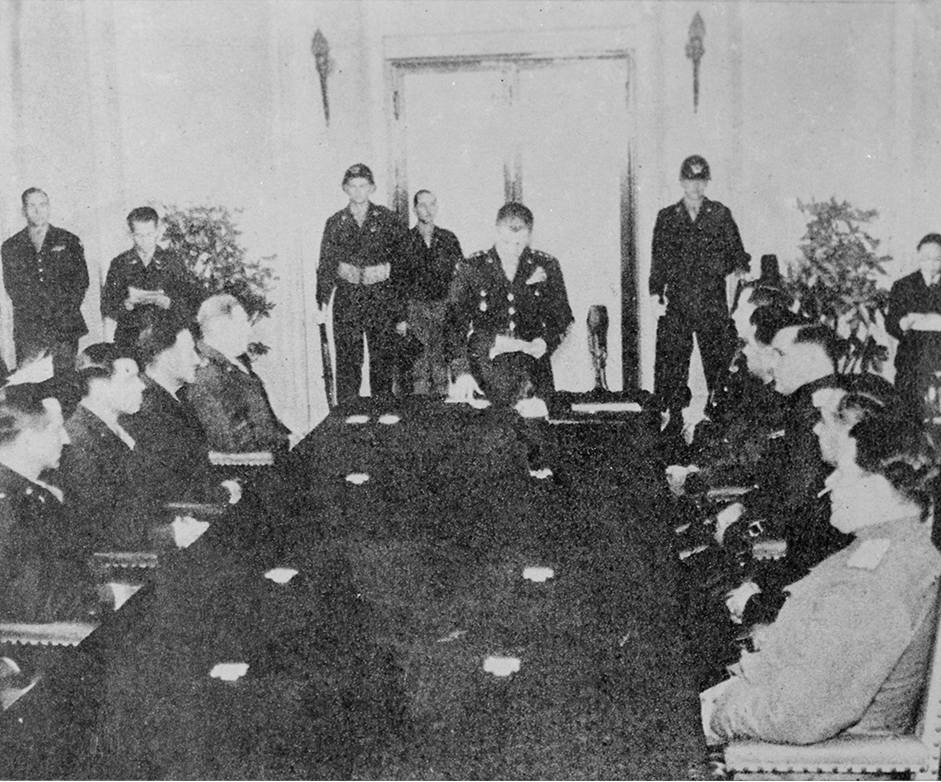
미소공동위.jpg

이번 포스팅은 제1차 미소 공동위 이후 미국에서 어떤 일들이 일어났는가를 정리했습니다. 미국의 정책수립과정은 지금이나 그때나 큰 차이가 없는 것 같습니다. 여러관리들이 한국 현지에 대한 인식은 정확하지 못했고 그 해결책 또한 미흡했던 것 같습니다. 그에 비해 소련은 사전에 미리 정확한 방향을 설정해서 자신들이 생각하는 목적을 달성할 수 있었던 것 같습니다.

전반적으로 미국의 조야는 한반도를 어떻게 관리해야하고 어떤 조치를 해야하는지 제대로 된 청사진이 없었던 것 같습니다. 각각의 관리들은 자신의 입장에서 각기 다른 상황평가와 해결책을 내 놓습니다. 결국 “확고한 인내”라는 트루먼 대통령의 정책도 오락 가락 하는 상황이 된 듯 합니다. 트루먼의 “확고한 인내”가 오바마의 북핵무시정책을 떠올리게 하는 것은 어떤 이유인지 모르겠습니다.

##

1946 봄 남한에서 정치적 암살과 여타 폭력들이 일어났으며. 이는 미국 관리들이 공동위원회의 정회가 한국의 내전을 초래할 수도 있다고 우려하게 했다. 하지 장군의 정치자문관 윌리암 랭돈은 워싱턴에 모스크바와 1947년 초까지 점령군의 상호철수에 대한 합의를 주장했다. 그러나 국무부는 강력한 입장이었다. 트루먼 대통령은 동유럽에서의 소련 점령정책, 이란에서 소련군을 철수시키는 것에 대한 실패 그리고 터키에 대한 소련의 위협에 대한 우려로 촉발된 “확고한 인내”라는 새로운 정책을 채택했다. 따라서 애치슨 국무장관은 5월 18일 서울에 있는 미국관리들에게 미국은 소련이 표현의 자유 원칙을 인정할때까지 공동위원회 회담을 재개하지 않을 것임을 통보했다. 다른 말로 하자면 소련이 모스크바 3상회의의 협의에 반대하는 정치단체와 협의를 허용하는 것을 거부하는 한, 미국은 위원회의 보이코트를 계속할 것이었다.

애치슨은 한국인들이 공동위에 대한 모스크바의 입장 때문에 한국인들이 소련에 부정적으로 돌아서면 스탈린이 미국의 조건을 받아들일 것이라고 비현실적으로 믿고 있었다. 다른 미국 관리들은 북한에 소련이 세운 자치기구는 남한에 있는 군정정부와 비교해 보았을 때 더 나쁘게 보여질 것이라고 현실적으로 결론을 내리고 있었다. 이문제를 고치기 위해서 워싱턴의 국무부/전쟁성/해군성 협조위원회는 미국 점령군 사령관에게 제한적인 자치정부 기구를 위한 선거를 실시할 것을 지시했다. 랭던은 이런 정책의 결정에 고무되었으며, “소련의 전략은 공산주의자들의 권력장악을 위한 길을 열여주는 미국의 좌절과 궁극적인 철수에 달려있다. 그러나 단결, 인내 그리고 견단력을 통해 미국은 강력하고, 독립적이며, 민주적인 연합을 강화함으로써 모스크바의 계획을 막아낼 수 있다.”고 주장했다.

6월 주한미국관리의 입장은 동맹 재건 위원회(Allied Reparations Commission)의 트르만 대표인 에드윈 폴리(Edwin Pauley)가 전달한 보고서에 의해서 강화되었다. 폴리는 5월말 북한을 여행하면서 적군(소련군)이 일본이 건설했던 산업 및 조선의 중요한 장비들을 해체하여 소련으로 보내고 있다는 보고서를 조사했다. 일본의 부흥에 대해 동맹국들이 아직 합의에 도달하지 않았기 때문에, 이러한 행위는 불법적인 약탈로 간주되는 것이었다. 폴리는 수많은 산업지역을 검열하고 소련이 사실상 그런 강탈을 수행하지 않고 있다고 보고했다. 대신 그들은 북한의 부수적인 산업능력을 회복시키고 있었다. 그러나 이것은 미국에게는 좋은 소식이 아니었으며 폴리가 보기에, 소련의 이러한 노력은 그들의 “괴뢰”가 완벽한 통제를 장악할때 까지 한국에 주둔할 의도로 보였다.

폴리는 그의 보고서에서 미국은 한국에 더많은 관심을 가져야한고 주장하면서 이것은 “아시아에서 우리의 완전한 성공이 달려있는 이념전투현장이다”라고 강조했다. 특별히 그는 모스크바에 어떠한 양보도 하지 않아야 한다고 경고했으며, 이는 한국의 상실은 일본의 안보를 위험하게 할것이기 때문이었다. 폴리는 미국이 한국인들에게 소련이 한반도와 관련한 현재의 합의를 위배하는 것을 알려주고, 미국이 의미하는 조건에서의 민주주의의 이점을 증진하는 캠패인을 시작할 것을 제안했다. 북한에서 소련이 제공하는 교육의 기회와 전반적 복지 증진에 대한 한국인들의 열정적인 반응을 보았으므로, 그는 미국이 경제지원, 교사와 기술자들은 남한에 보내야 한다고 주장했다. 만일 미국이 대중의 요구와 기대를 만족시키지 못한다면, 소련은 결국 한국을 주도하게 될 것이라고 경고했다. 트루먼 대통령은 폴리의 보고에 긍정적으로 반응했으며 한국에 대한 미국의 정책을 재검토하기 위해 즉각 국무장관 Byrnes와의 회의를 주재했다.

같은 달, 점령지역 담당 미국무부 차관보 존 힐드링(Jhon Hildring)은, 미소공동위의 교착은 “언론의 자유 원칙을 존중할 것을 강조하는 미국과 공공연하게 소련에 반대하는 한국의 지도자들 임시정부에 참여하는 것을 방지하기 위한 소련의 결정간의 충돌의 결과이다. 이러한 지도자들은 일본의 항복이후 한국으로 돌아온 고령의 “망명자” 집단을 구성하고 있다. 그들은 온전하게 한국인들의 정치적 의견을 대표하지 않으며 또한 그들은 한국에서 미국의 목적 달성과 한국의 민주주의 수립에 필수적으로 여겨지지 않는다. 반면 그들의 존재는 정치적 측면에서 소련과 합의를 도달하는데 심각한 어려움을 증가시키고 있다.”고 보고했다. 힐드링은 미군정정부가 공동위원회의 업무를 재개해야 한다고 주장했으며, 이는 정치문제에 대한 한국인들의 열정적인 참여가 소련으로 하여금 언론 자유의 원칙을 인정하도록 강요할 것이라는 비현실적 소신에 따른 것이었다.

다음 포스트에서는 미소공동위의 재개를 위한 조치들을 알아 보도록 하겠습니다

[참고문헌]

This post relies heavily on James Matray, The Reluctant Crusade: American Foreign Policy in Korea, 1941-1950 (University of Hawaii Press, 1985)

His account cites Foreign Relations of the United States, 1946, Volume VIII; Edwin W. Pauley, “Survey of Resources in Manchuria and Korea and the European Reparations Program,” Department of State Bulletin 15 (August 4, 1946)]


This page is synchronized from the post: ‘(한국전쟁사) 한국의 분단 1945 - 1948, post#20’
연구소 진행경과 보고

처음에 야심차게 출발했지만 계획대로 추진하지 못한 것들이 많이 있었습니다.

먼저 웨더스비 교수의 한국전쟁에 관한 집필은 계획대로 진행되고 있습니다. 지금까지 매주 1 - 2 편의 포스팅을 올리고 있습니다.

전작권 전환과 관련하여 미국, 소련, 영국의 경험을 살펴보고자 하는 시도는 아직 진전이 없습니다. 제일 먼저 시도하고자 했던 소련의 경우, 연구를 담당하기로 하신 L박사가 지금 하고 있는 프로젝트로 인해 짬을 내지 못하고 있습니다. 바쁜 일이 정리될 때까지 시간이 필요할 듯 합니다.

최근 북핵문제에 관한 미북 정상회담 이후 한미간 전작권 전환에 관한 논의도 진행되고 있는 듯 합니다. 조금 빨리 연구를 진행하면 여러가지 도움이 될 것이라고 생각됩니다만 여건이 불비하여 생각대로 진행하지 못하고 있습니다.

심일 소령의 공적 조작과 관련한 문제는 연구를 하기로 하신 K 박사께서 6월 중순부터 자료 검토에 들어갔습니다. 앞으로 두달 정도 자료를 읽어보고 어떻게 접근할 것인지 논의하기로 했습니다.

그간 한국전쟁사에 관한 전문 연구자들 몇몇과 접촉을 하였습니다. 그래서 그분들과 한국전쟁을 작전과 전투의 측면에서 살펴보기로 했습니다. 이제까지 한국전쟁에 관해서는 새롭게 해석하거나 평가하는 시도가 전무했다고 해도 과언이 아닙니다. 전쟁사에서도 작전과 전술의 성공과 실패에 대해서는 지속적인 평가와 해석이 필요합니다.

지금까지의 한국전쟁사는 한국군이 전쟁이후 만들어 놓은 담론구조 속에서 기술되어 왔습니다. 일부 전쟁사 전문가들과 협의한 결과 한국전쟁사를 기존의 담론구조에서 벗어나 새롭게 읽어볼 필요가 있다는 결론에 도달하기에 이르렀습니다. 앞으로 시간을 두고 자료를 읽고 어떻게 할 것인가를 생각해보기로 했습니다.

시간이 걸리겠지만 차분하게 하나씩 해보도록 하겠습니다.

스팀가격이 떨어져서 wisdomandjustice 계정에서 나오는 보상으로는 글값을 충당하기 어려운 상황이 되었습니다. 앞으로 추가적인 사업을 진행하기 위해 발생하는 비용도 부담입니다. 지금은 제가 운영하는 계정들의 보상으로 충당을 하고 있습니다.

그러나 스팀가격이 지금처럼 바닥을 기고 있으면 불가피하게 추진하던 프로젝트들의 속도도 점점 늦어질 수 밖에 없을 듯 합니다.

암호시장을 드리우고 있는 먹구름이 빨리 사라지고 스팀가격이 상승하길 바랄 뿐입니다.


This page is synchronized from the post: ‘연구소 진행경과 보고’

(Korean War)The Division of Korea, 1945-1948. Post #20

Prof. Kathryn Weathersby

미소공동위.jpg

The spring of 1946 saw the rise of political assassinations and other violence in the southern zone, which led American officials to fear that the adjournment of the Joint Commission would lead to civil war in Korea. William Langdon, political advisor to General Hodge, urged Washington to reach an agreement with Moscow to mutually withdraw occupation forces by early 1947. The State Department, however, decided to hold firm. President Truman had adopted a new policy of “patience with firmness” toward the Soviet Union, spurred by concerns about Soviet occupation policy in Eastern Europe, its failure to withdraw troops from Iran, and its threatening actions toward Turkey. Accordingly, Secretary of State Acheson informed American officials in Seoul on May 18 that the US would not resume meetings of the Joint Commission until Moscow recognized the principle of freedom of expression. In other words, as long as the Soviets refused to allow consultation with political groups that had opposed the Moscow agreement, the Americans would continue to boycott the Commission.

Acheson believed, unrealistically, that Stalin would be forced to accept American terms once Moscow’s position toward the Joint Commission turned Koreans against the Soviet Union. Other American officials more realistically concluded that the self-governing institutions the Soviets had established in the North made the US military government in the South look worse by comparison. To remedy this problem, the State/War/Navy Coordinating Committee in Washington instructed the American occupation command to hold elections for organs of limited self-government. Langdon was encouraged by this change of policy, arguing that “the Soviet strategy depended on American frustration and eventual withdrawal opening the way to a Communist seizure of power. Through unity, patience, and resolve, however, the US could foster the emergence of a strong, independent, democratic coalition and thereby thwart Moscow’s plan.”

In June the resolve of US officials in Korea was bolstered by the report delivered by Edwin Pauley, Truman’s representative to the Allied Reparations Commission. Pauley traveled to northern Korea in late May to investigate reports that the Red Army was dismantling Japanese-built industries and shipping valuable equipment to the Soviet Union. Since the allies had not yet reached agreement on Japanese reparations, such removals were regarded as illegal confiscations. Pauley inspected numerous industrial sites and reported that the Soviets were not, in fact, carrying out such seizures. Instead, they were restoring the substantial industrial capacity of northern Korea. This was not necessarily good news for the US, however, as such efforts indicated, in Pauley’s view, that the Soviets intended to stay in Korea until their “puppets” were in complete control.

In his report, Pauley urged the US to pay more attention to Korea, arguing that it was “an ideological battleground upon which our entire success in Asia may depend.” Specifically, he warned against making any concessions to Moscow, since the loss of Korea would endanger the security of Japan. Pauley proposed that the US begin a campaign to inform Koreans about Soviet violations of existing agreements regarding the peninsula and to promote the advantages of democracy, in the American meaning of the term. Having seen the enthusiastic response of Koreans in the North to Soviet efforts to provide educational opportunities and improve general welfare, he urged that the US send economic aid, teachers, and technicians to its zone. Unless the US met popular needs and desires, he warned, the Soviet Union would eventually dominate Korea. President Truman responded positively to Pauley’s report and immediately arranged a meeting with Secretary of State Byrnes to reassess American policy in Korea.

That same month, the Assistant Secretary of State for Occupied Areas, John H. Hilldring, reported that the stalemate in the Joint Commission was “the result of a clash between United States insistence upon respect for the principle of freedom of speech and Soviet determination to prevent certain avowedly anti-Soviet Korean leaders from participation in the Provisional Korean Government. These leaders constitute a group of older “émigré” Koreans who have returned to Korea since the capitulation of Japan. They are not thought to be completely representative of Korean political opinion, nor are they felt to be essential to the establishment of Korean democracy or the attainment of US objectives in Korea. On the other hand, their presence on the political scene greatly increases the difficulty of reaching an agreement with the Soviet Union.” Hilldring urged the American Military Government to resume the work of the Joint Commission, under the unrealistic belief that Korean enthusiasm for participation in political affairs would force Moscow to recognize the principle of freedom of expression.

In the next post, we will continue to trace the steps that led to resumption of the Joint Commission in 1947.

[Sources: This post relies heavily on James Matray, The Reluctant Crusade: American Foreign Policy in Korea, 1941-1950 (University of Hawaii Press, 1985); His account cites Foreign Relations of the United States, 1946, Volume VIII; Edwin W. Pauley, “Survey of Resources in Manchuria and Korea and the European Reparations Program,” Department of State Bulletin 15 (August 4, 1946)]


This page is synchronized from the post: ‘(Korean War)The Division of Korea, 1945-1948. Post #20’

(한국전쟁사) 한국의 분단 1945 - 1948, post # 19

웨더스비 교수 씀

미소공동위.jpg

이번 포스팅은 제1차 미소공동위에서 소련이 새로 구성될 정부에 참여할 수 있는 자격을 신탁통치를 지지한 정당 및 단체들에게만 부여하고자 하는 과정을 보여주고 있습니다. 소련 외교부가 소련군 대표부의 슈티코프 상장에게 보낸 지령을 슈티코프 상장이 발언한 내용입니다. 군인들도 전쟁만 하는 것이 아니라 외교적 감각이 있어야 하는 것 같습니다. 이정도 상황이면 그냥 군인이라기 보다는 정치가나 외교관이나 마찬가지의 역할을 수행해야 할 듯 합니다. 우리 군에도 과연 그런 능력을 발휘할 수 있는 군인들이 있는지 의문스럽군요.

#

이전의 포스팅에서 우리는 모스크바가 한국에 만들고자 하는 종류의 정부를 자세하게 알아보았다. 미소공동위의 소련 대표단에 대한 지령은 임시정부를 만들기 위해 “민주적 정당과 사회조직”에 대한 협의시 공동위가 따라야할 과정을 규정했다.
핵심적인 것은 공동위가 “모스크바 3상회담에 한국에 대한 결정에 반대하는 정당이나 집단과 협의해서는 안된다”는 것이었다. 앞에서 본 것 처럼, 1946년 1월 합의가 발표되었을때, 북한의 소련 당국은 서울의 조선공산당에게 입장을 바꿀 것을 지시했다. 모든 다른 정당이 그러는 것처럼, 한국에서의 신탁통치를 규정한 합의를 비난하는 대신, 공산당은 지지하는 목소리를 냈다. 결과적으로, 그들의 요구는 임시정부는 공산주의자들과 그들의 “친구 동조자”로 구성되어야 한다는 것을 의미했다.

물론 미국이 이러한 조건을 수용할 가능성은 거의 없었다. 그럼에도 불구하고 소련 외교부는 상세하게 협의의 방향을 제시했으며 그리하여 소련은 모스크바 합의를 수행한다는 모습을 유지할 수 있었다. 첫째로 공동위원회는 이전의 포스팅에서 밝힌 조건에 따른 “민주적 정당과 사회조직들이 정치적 플랫폼과 임시정부와 지방 권력의 조직의 원칙에 대한 의견을 피력”하여야 했다. 다음으로 “공동위원회가 “a” 조항에 언급된 문제에 대한 민주적 정당과 사회조직의 의견을 수립하고 연구한 이후, 그들과 임시 조선민주주의 정부의 후보자들의 리스트를 논의해야 했다”

이러한 토의 이후, 공동위원회는 하부위원회를 구성하여 한국민의 제안을 연구한다. 더욱이, 서울에서의 협의이후, 공동위원회는 평양으로 가서 북쪽지역의 “민주적 정당과 사회조직”과 협의를 한다. 소련 외교부의 지령은 한국의 경제적 통일에 대한 미국의 어떠한 논의 시도도 거부할 것을 지시했으며, 이는 소련이 북한에서 경제적 자원을 계속해서 반출하기 위해서 였다. 만일 미국대표가 이 문제를 제기하면, 소련 대표부가 “남북간의 상품교역은 상호교역의 형태로 양측지역 책임 군사령관들의 합의에 따라 수행되어야 한다 설명”하도록 했다.

3월 20일 개최된 공동위원회의 소련측 대표 슈티코프 상장은 이 지령을 준수하면서 “미소 공동위원회의 임무는 한국 인민이 민주화와 국가재건을 위한 임무를 수행할 수 있는 임시정부를 만드는 것을 돕는 것이다. 장차의 임시 한국 민주정부는 모스크바 3상회의의 결론을 지지하는 모든 민주주의 정당과 사회조직의 광범위한 통합의 기초위에 수립되어야 한다. 이런 정부만이 한국의 정치 경제적 삶을 장악하고 있는 일본의 모든 잔재를 타파하고, 국내의 반동적 반민주적 분자들과 결정적인 전투를 수행할 수 있으며, 한국민들에게 정치적 자유를 주고 극동지역에서의 평화를 위해 싸울 수 있을 것이다. 소련은 한국에 진정으로 민주적이고 독립적이고 소련에 우호적인 국가가 되어 장차 소련을 위한 공격의 기초가 되지 않도록 하는 것에 심각한 관심을 가지고 있다”라고 언급했다.

놀랄 것도 없이, 공동위원회는 어떤 정당이 임시정부의 구성에 참가하느냐의 문제로 교착상태에 빠졌다. 소련대표부는 자신들의 요구를 양보하지 않았으며 미국 대표부는 공산당과 그 동조 단체의 구성원이 위원회의 작업에 참가하는 조건을 수용하는 것을 거부했다. 이런 서로 물러서지않은 입장을 여러차례 재확인한 이후에, 공동위원회는 5월 8일 무기한 정회했다.
다음에는 공동위원회가 1947년 재개되었으며 이 회담에서도 결과가 없었던 이유를 알아 보겠다.

[참고문헌]

13 March 1946. Lozovsky to Molotov. Draft directive to the Soviet delegation at the Joint Soviet/American Commission on the Formation of a Provisional Korean democratic government. Archive of the Foreign Policy of the Russian Federation, Fond 18, Opis 8, Delo 79, Papka 6, Str. 4-11

Foreign Relations of the United States, 1946, Volume VIII, pp. 652-654]


This page is synchronized from the post: ‘(한국전쟁사) 한국의 분단 1945 - 1948, post # 19’

(Korean War)The Division of Korea, 1945-1948, Post # 19

Prof. Kathryn Weathersby

미소공동위.jpg

In the previous post we saw the detailed description of the kind of government and society Moscow was determined to create in Korea. The directive to the Soviet delegation at the Joint Commission meetings also specified the process the Commission should follow as it consulted with “democratic parties and social organizations” to create a Provisional Government.

The key point was that the Joint Commission “must not consult with parties and groups that speak out against the decision on Korea of the Moscow Conference of Three Ministers.” As we have seen, when the agreement was announced in January 1946, the Soviet authorities in the North instructed the Korean Communist Party in Seoul to change their position. Instead of denouncing the agreement to create a trusteeship for Korea, as all other parties were doing, the Communist Party would now voice support. Consequently, their demand regarding the consultations would mean that the Provisional Government would be composed only of communists and their “fellow travelers.”

Of course, there was very little chance that the United States would accept this condition. Nonetheless, the Foreign Ministry nonetheless outlined details of the consultation process so that the Soviets could maintain the appearance of carrying out the Moscow Agreement. First, the Joint Commission would propose that “the democratic parties and social organizations express their opinion on the political platform and principles of organization of the Provisional Government and the local organs of power,” the terms outlined in the previous post. Next, “after the Joint Commission receives and studies the opinions of the democratic parties and social organizations on the questions laid out in point “a” they must discuss with them the list of candidates to the Provisional Korean Democratic Government.”

After these discussions, the Joint Commission will create sub-commissions to study the Koreans’ proposals. Moreover, after the consultations in Seoul, the Joint Commission will move to Pyongyang to consult with “democratic parties and social organizations” in the northern zone. The Ministry’s directive ended with instructions to rebuff any US attempt to discuss the economic unification of Korea, since the Soviets wanted to continue to be able to extract economic resources from their zone. If the American delegation raises the issue, the Soviet representatives must “explain that the exchange of goods between North and South Korea will be conducted according to agreement between the commanders of both zones of military responsibility in the form of mutual deliveries.”

In keeping with this directive, when the Joint Commission opened its meetings on March 20, the head of the Soviet delegation, Colonel-General Shtykov, stated that “the task of the US-Soviet Commission is to help the Korean people create a provisional Korean government capable of fulfilling the tasks arising from the democratization and reconstruction of the country. The future provisional Korean democratic government must be created on a basis of wide unification of all the democratic parties and social organizations supporting the decision of the Moscow Conference of Foreign Ministers. Only such a government will be able to abolish entirely the remnants of the former Japanese domination in the political and economic life of Korea, to launch a decisive battle with reactionary anti-democratic elements inside the country, to carry out radical measures in the rehabilitation of economic life, to give political liberties to the Koreans and fight for peace in the Far East. The Soviet Union has a keen interest in Korea being a true democratic and independent country, friendly to the Soviet Union, so that in the future it will not become a basis for an attack on the Soviet Union.”

Unsurprisingly, the Joint Commission deadlocked over the issue of which parties to consult in forming the Provisional Government. The Soviet delegation would not compromise on its demand and the American delegation refused to accept terms that would allow only members of the Communist Party and affiliated groups to participate in the work of the Commission. After repeatedly restating these irreconcilable positions, the Joint Commission adjourned on May 8 sine die.

In the next post we will examine why the Joint Commission reconvened in 1947, and the similar lack of results from those meetings.

[Sources: 13 March 1946. Lozovsky to Molotov. Draft directive to the Soviet delegation at the Joint Soviet/American Commission on the Formation of a Provisional Korean democratic government. Archive of the Foreign Policy of the Russian Federation, Fond 18, Opis 8, Delo 79, Papka 6, Str. 4-11; Foreign Relations of the United States, 1946, Volume VIII, pp. 652-654]


This page is synchronized from the post: ‘(Korean War)The Division of Korea, 1945-1948, Post # 19’

(한국전쟁사) 한국의 분단 1945 - 1948, post 18

웨더스비 교수 씀

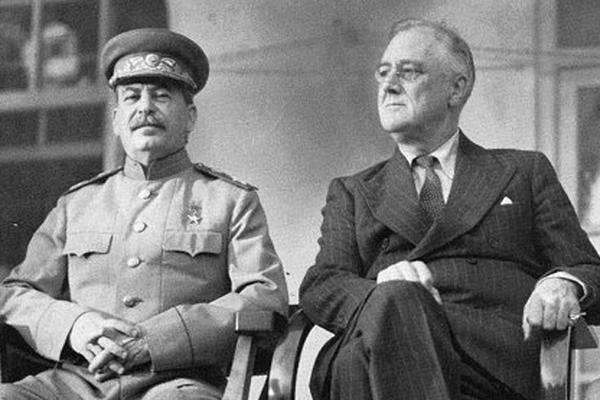
스탈린 루즈벨트.jpg

이번 포스팅에서 웨더스비 교수는 미소공동위원회 개최에 앞서 소련 외교부가 미소공동위 소련대표부에게 보낸 지령의 내용을 정리했습니다. 소련은 한반도에 자신들에게 만족스러운 정부를 수립하기 위한 조건을 미소공동위원회 소련대표부에게 제시했습니다. 전반적인 정부구성의 원칙은 물론 정부구성에 자신들에게 호의적이지 않은 인물과 정당 사회단체의 참여를 원천적으로 차단하기위한 기준을 제시한 것 같습니다. 이와함께 일반국민들에게는 매우 호의적으로 받아들여질 이슈들을 제시했습니다.

결국 미소공동위원회에서 소련은 한국의 분단에 대한 분명한 의도를 드러낸 듯합니다.

한국전쟁에 관한 연구의 목적으로 이번 연재를 기획했지만 이 연구과정을 통해 오늘날 우리의 모습을 되돌아 보는 계기도 되는 듯 합니다.

중고등학생들에게 한국사 공부에 좋은 도움이 될 듯 합니다. 자녀분들에게 한번 읽어 보도록 하시는 것도 좋겠습니다.

모스크바 회담에서 논의된 미소 공동위원회는 1946년 3월 30일 서울에서 개최되었다. 이를 준비하기 위해 소련외무부는 한국에 어떤 종류의 정부가 수립되어야 하는지 그리고 어떻게 수립되어야 하는지에 대해 자세하게 정리된 지령을 대표단에게 보냈다.
핵심은 모스크바의 “민주적”이라는 용어의 정의였다. 소련에게 민주주의는 정치적 민주주의가 아니라 사회민주주의를 의미했다. 어느 나라가 “민주적”이라고 하는 것은 그나라의 국민들이 자신의 정부를 자유롭게 선출하는 것이 아니라, 경제적 자원이 평등하게 분배되어 있어야 하는 것이었다. 한국의 정당이 “민주적”이라는 이름을 달려면 토지개혁과 여타 사회정책을 옹오해야 하며, 미소공동위는 이러한 정당으로만 임시정부를 수립할 수 있다고 논의해야 했다.
정당과 사회조직이 “민주적”인 것을 확인한 이후에야, 미소공동위는 임시정보의 구성과 조직원칙, 임시정부의 정치적 플랫폼과 인사에 대한 추천을 해야 한다는 것이다. “임시한국민주주의정부는 민주적인 정당과 사회조직의 대표로부터 구성되어야 한다.” 임시한국정부의 직책은 북한과 남한의 민주적 정당과 사회조직이 추천한 후보들간 균등하게 나뉘어져야 하며, 그런 후보들은 “한국인민에게 헌신적이며, 동맹국에게 충성스럽고 민주적인 한국을 위해 싸울 준비가 증명”된 사람들이어야 했다.
소련 외교부는 새로운 정부가 반드시 수행해야할 임무를 제시했다. 모스크바의 최고의 목표는 부흥한 일본의 군국주의로부터 보호하는 것이었기 때문에, 한국임시정부의 첫번째 임무는 “한국의 정치 경제적 생활에 있어서 이전 일본 통치의 잔재의 최종적인 제거, 국내의 반동적 반민주주의 분자들가의 투쟁으로 친파시스트 및 반민주주의정당, 조직 및 집단의 활동을 금지하는 것이었다.
둘째, 임시정부는 “성별 그리고 지방의 차별없이 보통, 직접, 평등 그리고 비밀선거를 기초로 대중들에 의해 선출된 인민위원회를 통해 전체 한국영토내에서 지방 자치정부”를 수립해야 한다. 미국의 이해를 만족시키기 위해서, 새로운 정부는 “정치적 자유 : 언론의 자유, 출판, 집회, 종교, 민주적 정당, 직업 동맹 그리고 여타의 민주적 조직의 활동”과 “일신과 주거의 불가침성, 법에 입각한 시민의 사유재산 보호”를 지켜야 했다.
모스크바는 서울에 있는 영사관으로 부터 한국의 상황에 대한 보고를 오랫동안 받아 오고 있었다. 이러한 정보를 바탕으로, 지령은 새로운 정부는 일본에 의해 수립된 입법 및 사럽기구들을 대체해야 하며 한국의 입법기구들을 민주화해야한다고 분명하게 밝혔다.
임시정부는 또한 북한에서 이미 진행된 종류의 토지개혁을 수행해야 했다. 임시정부는 “일본인과 인민을 배신한 한국인 그리고 대지주에 속한” 토지를 몰수하고 “한국의 농민들에게 무상으로 몰수한 토지를 양도”해야 했다. 임시정부는 “몰수된 토지 소유자에게 속해있던 관계시스템”을 몰수하여 “한국 정부에게 무상으로 양도해야 했다” 임시정부는 “일본과 한국의 독점사업가들이 보유하고 있던 대규무 산업시설, 은행, 기름, 산림과 철도수송을 국유화”해야 했다. 지령은 “소규모 기업 그리고 한국에 있던 일본인 거주시설에 속했으며 일본군의 무장해제 이후 소련과 미국 사령부가 승인하여 한국인이 공식적으로 취한 부동산은 국유하의 대상이 아니다”라는 것을 언급했다.
마지막으로 임시정부에게 “국가기구, 산업, 수송, 통신, 농업, 교육, 문화와 보건을 위한 핵심요원을 준비하기위한 특별학교의 네트워크”를 만들어야 했다. 열거된 정책들이 북한에서 즉각 수행되었으며, 지령은 임시정부가 “시장가격을 통제하고, 투기와 고리대금을 근절하며, 단일 세금체계를 수립하며, 진보적인 세금을 도입하고, 노동자들고 피고용인에게 1일 8시간 13세부터 16세까지는 1일 6시간 노동을 도입하며, 13세 이하의 아동노동 착취를 금지하고, 노동자와 피고용인을 위한 직업 보호를 제공하고 최소임금, 사회보장과 노동보호를 수립해야 한다고 지령을 내렸다. 또한 임시정부는 “의료기구의 네트워크를 확대하고, 유행병을 방지하고 빈자를 위한 무료 의료를 보장해야 했다”
다음 포스팅에서는 소련외교부의 지침이 어떻게 미소공동위원회가 “민주적 정당과 사회조직”에 대해 논의토록 했으며 어떻게 이러한 조항이 실제적으로 임시정부의 수립을 방해하는데 사용되었는지 살펴보도록 하겠다.
[참고문헌]
13 March 1946. Lozovsky to Molotov. Draft directive to the Soviet delegation at the Joint Soviet/American Commission on the Formation of a Provisional Korean democratic government. Archive of the Foreign Policy of the Russian Federation, Fond 18, Opis 8, Delo 79, Papka 6, Str. 4-11. The final draft is found in Fond 07, Opis 11, Delo 280, Papka 18.]


This page is synchronized from the post: ‘(한국전쟁사) 한국의 분단 1945 - 1948, post 18’

Your browser is out-of-date!

Update your browser to view this website correctly. Update my browser now

×